
A surgical material. A new form.
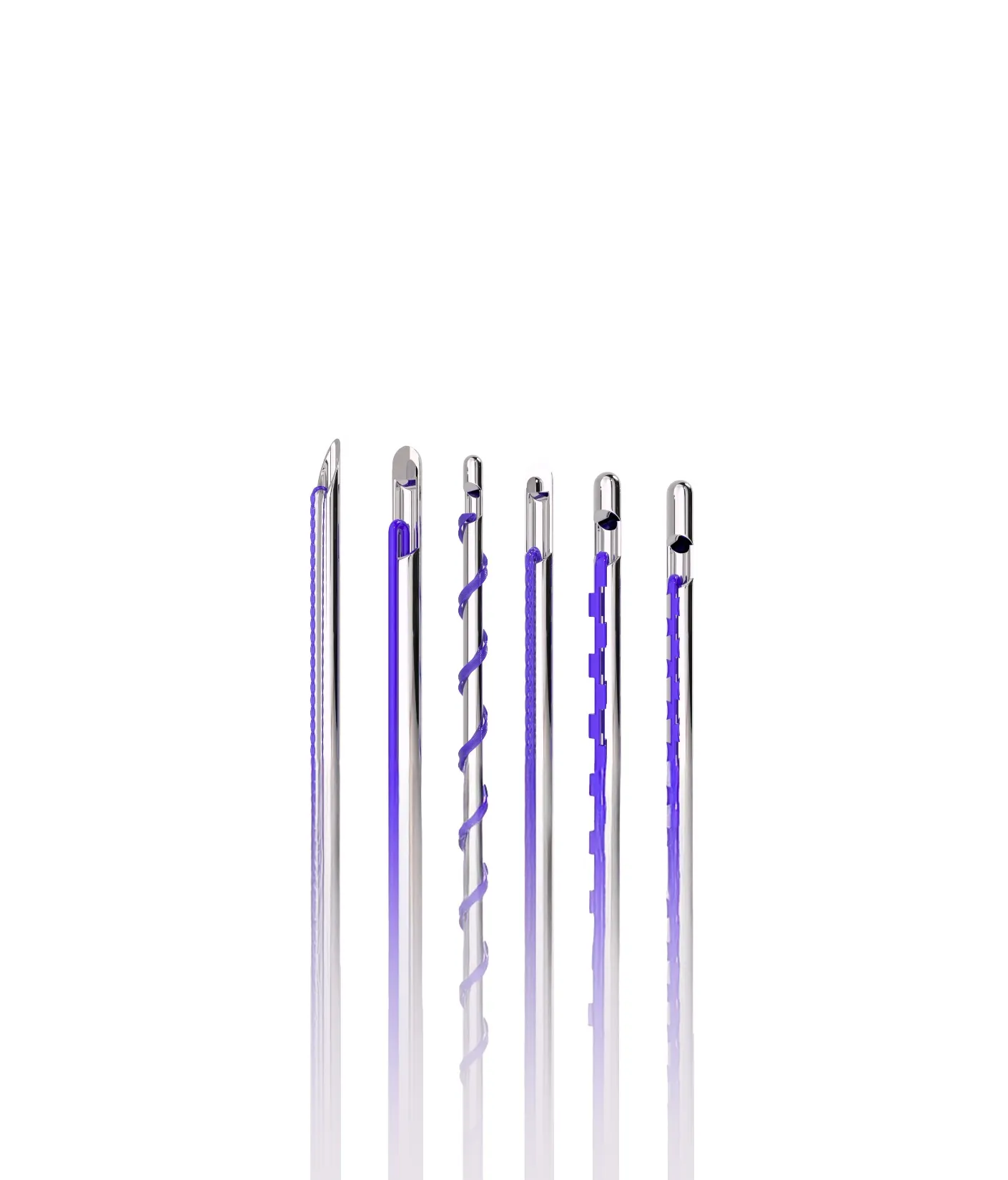
Polydioxanone (PDO) has been used for decades in surgical sutures and lifting threads. Ultracol was the first to turn it into microspheres, making it an injectable collagen stimulator.
Smooth, round, uniform
The shape of the particles decides how the tissue responds. Ultracol’s microspheres are smooth, non-porous and size-controlled, for even and predictable stimulation.
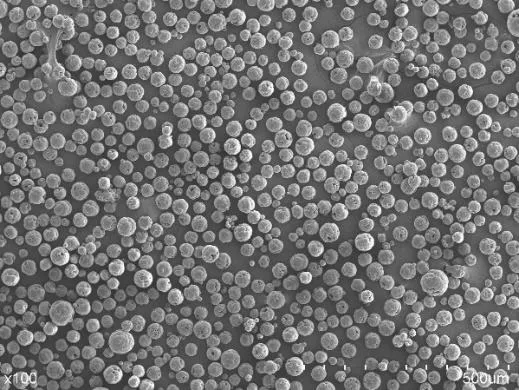 ×100 — uniform size
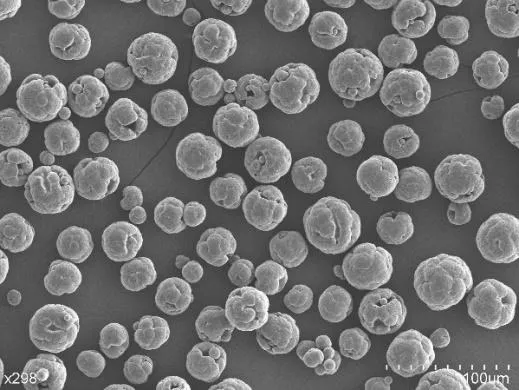 ×300 — no clumping
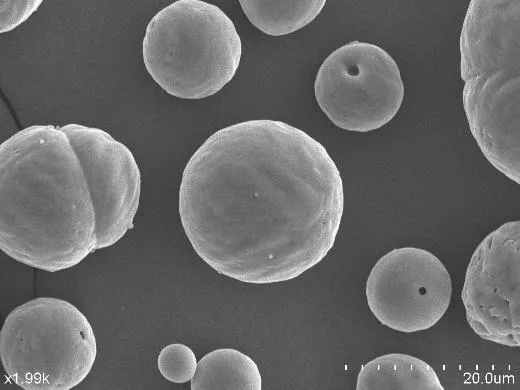 ×2,000 — smooth surface
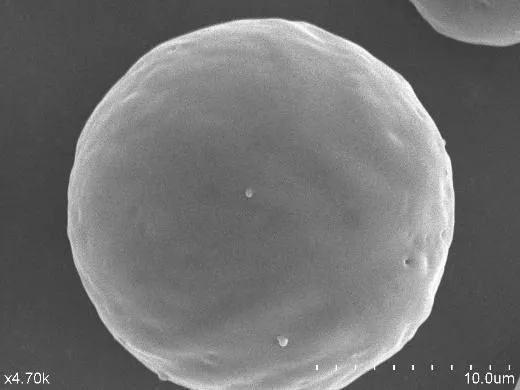 ×4,700 — a perfect sphere
SEM images: LYV Sciences
One vial. 1,427 threads.
PDO’s effect depends on the surface in contact with tissue. The microspheres in one vial of Ultracol 200 have a total surface of about 15,700 mm², comparable to 1,427 PDO threads. And they spread evenly, with no threads to place.
Manufacturer data, compared with PDO mono threads 29G 38/50.
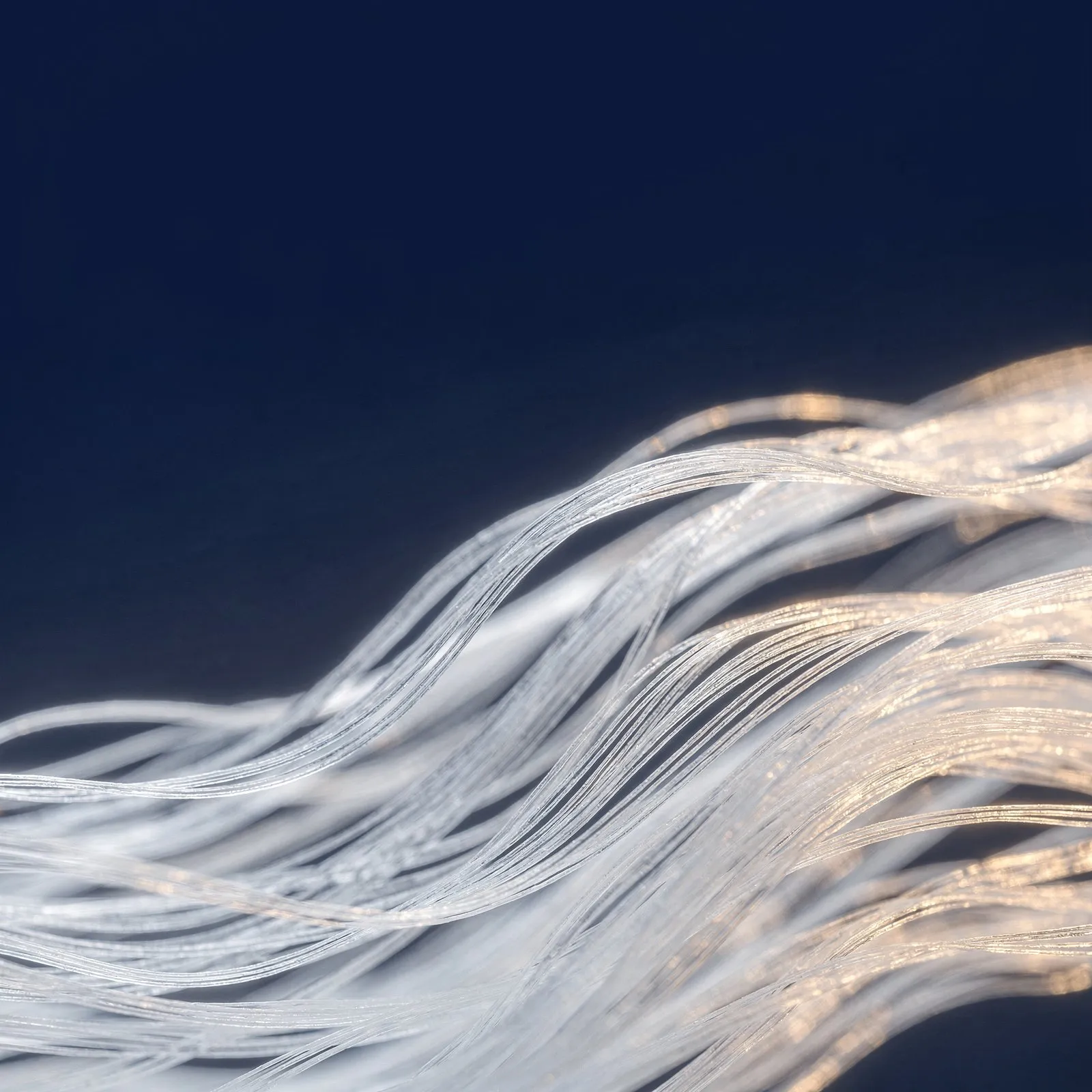
From microsphere to your own collagen
The microspheresDay 0Ultracol is placed in the dermis or subcutis. Smooth, round PDO microspheres spread evenly through the tissue.
A signal to repairDays 1–14The body recognises the microspheres and sends immune cells called macrophages. They trigger a controlled, mild response that signals renewal.
New collagenWeeks 3–4The macrophages switch to a repair phase and activate fibroblasts. New type III collagen forms around the microspheres from about week 3–4.
Only your collagen remainsMonths 6–8Over 6–8 months the PDO breaks down into water and carbon dioxide. The collagen matures into strong type I collagen and stays.
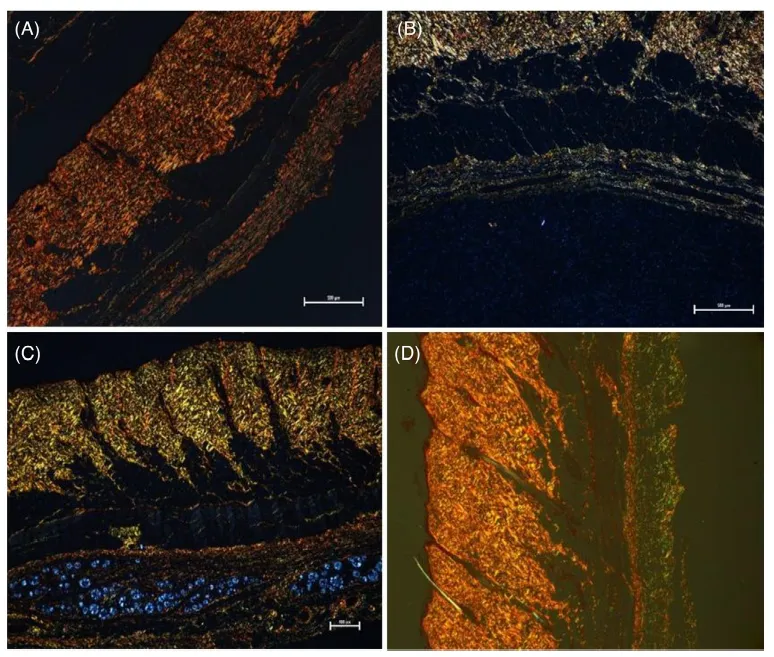
Young collagen first, then strong collagen
Around the microspheres the body first builds type III collagen, which is elastic and "young". Over time it matures into type I collagen, the skin’s main structural support. In a preclinical study PDO produced the most active new collagen formation and the best-organised collagen bundles.
Read the studyFrom powder to injection
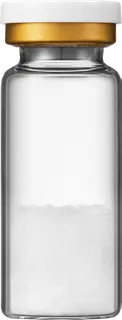
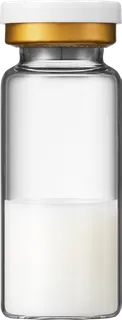
Ultracol comes as a freeze-dried powder. Just before treatment, the doctor reconstitutes it with water for injection and a local anaesthetic, giving a milky suspension ready to use.
It breaks down. Completely.
PDO breaks down by hydrolysis into water and carbon dioxide within 6–8 months.
The carrier is carboxymethyl cellulose, which helps even distribution and gives initial hydration.
Approved in Korea (2020) and CE-marked in the EU (2021). Registered in 30 countries, including Bulgaria.